Adani–Leonardo Pitch AW109 TrekkerM for India’s Twin-Engine Helicopter Program Amid Ka-226T Delays | aviationbizz.com
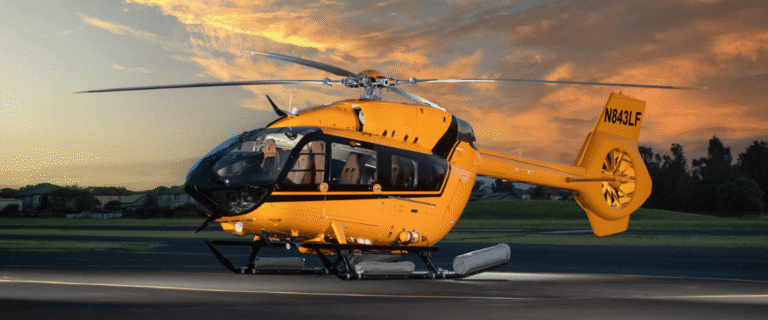
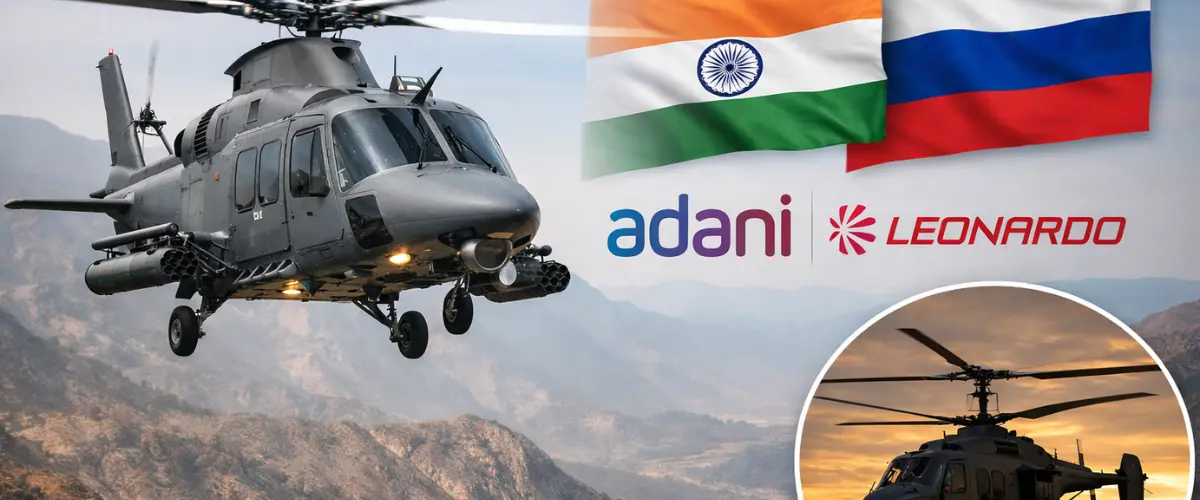
India’s military helicopter modernization plans could see renewed competition after Adani Defence & Aerospace joined hands with Italian aerospace major Leonardo to offer the AW109 TrekkerM for the country’s twin-engine utility helicopter requirement.
The development comes at a time when the proposed procurement of the Russian Kamov Ka-226T has faced prolonged delays. The Ka-226T program, originally envisioned as a joint production initiative in India, has reportedly encountered challenges linked to engine sourcing, localization arrangements, and contractual complexities.
Modern Twin-Engine Capability
The AW109 TrekkerM is a twin-engine light utility helicopter designed for multi-role missions including reconnaissance, troop transport, casualty evacuation, surveillance, and high-altitude operations. The twin-engine configuration enhances operational safety and reliability, particularly in mountainous regions such as the Himalayas, where engine redundancy is a critical factor.
The platform is also equipped with advanced avionics, modern navigation systems, and mission customization options that allow adaptation for military-specific requirements.
Industrial and Strategic Benefits
Under the proposed collaboration, Adani Defence is expected to play a key role in establishing local manufacturing, assembly, and maintenance infrastructure in India. The partnership aligns with New Delhi’s push for defence indigenisation and self-reliance under the “Make in India” framework.
If selected, the project could potentially include technology transfer, supply chain development, and long-term maintenance, repair, and overhaul (MRO) capabilities within the country. Such measures would aim to reduce dependence on foreign suppliers and strengthen India’s domestic aerospace ecosystem.
Competitive Landscape
India’s armed forces are in the process of replacing ageing fleets of Cheetah and Chetak helicopters. At the same time, indigenous efforts such as HAL’s Light Utility Helicopter (LUH) program continue to progress.
The competition for the twin-engine segment is likely to focus on factors such as delivery timelines, lifecycle costs, high-altitude performance, industrial participation, and strategic partnerships.
With the Ka-226T deal yet to achieve final momentum, the Adani–Leonardo proposal introduces a fresh option into India’s evolving helicopter acquisition landscape.
About the Author