Singapore Becomes First in Southeast Asia to Implement Aviation Fuel Levy | aviationbizz.com
Singapore has announced the introduction of its first Sustainable Aviation Fuel (SAF) levy, becoming one of the earliest countries in the region to implement a structured funding mechanism aimed at accelerating aviation decarbonization.
The levy will apply to passengers departing from Singapore, with charges varying based on travel distance and cabin class. Long-haul travelers and premium cabin passengers are expected to contribute higher amounts compared to short-haul and economy passengers. The collected funds will be used to support the purchase and supply of sustainable aviation fuel, which is significantly more expensive than conventional jet fuel but plays a crucial role in reducing lifecycle carbon emissions.
Authorities have outlined plans to progressively increase the percentage of SAF blended into jet fuel supplied at Singapore’s airports over the coming years. This step aligns with the country’s broader climate strategy and long-term target of achieving net-zero emissions by mid-century.
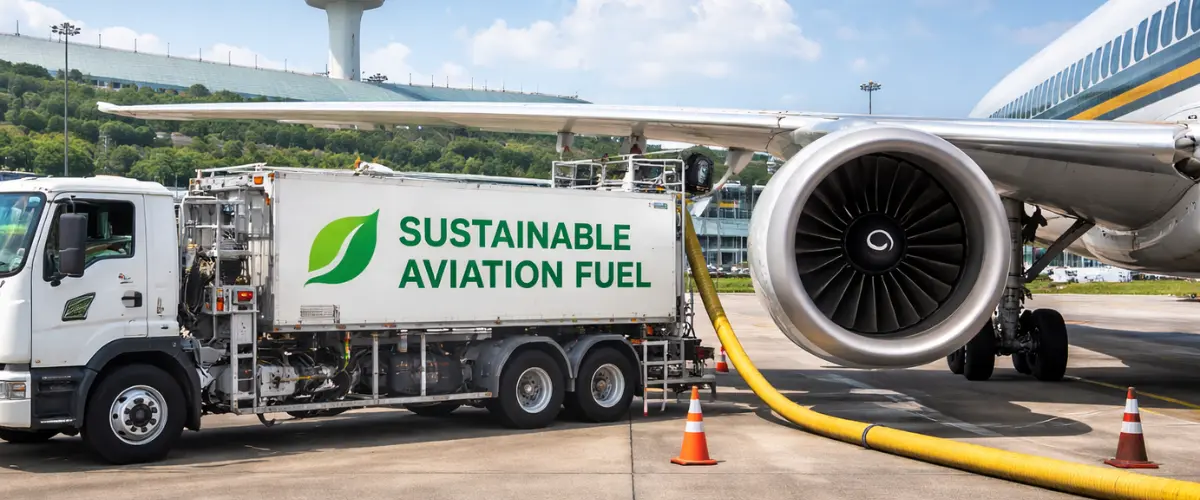
Sustainable aviation fuel is produced from renewable sources such as waste oils, agricultural residues, and other sustainable feedstocks. Compared to traditional jet fuel, SAF can reduce carbon emissions by up to 80% across its lifecycle, depending on the production method.
Singapore’s move comes at a time when Southeast Asia’s aviation sector is witnessing rapid growth in passenger traffic, fleet expansion, and fuel demand. As the region positions itself as an emerging hub for SAF production and supply, the new levy is expected to strengthen investment, encourage infrastructure development, and create a more stable demand framework for sustainable fuel producers.
Industry analysts suggest that Singapore’s policy could influence neighboring countries to consider similar measures, potentially accelerating the adoption of SAF across Asia-Pacific markets while balancing environmental commitments with continued aviation growth.
About the Author