
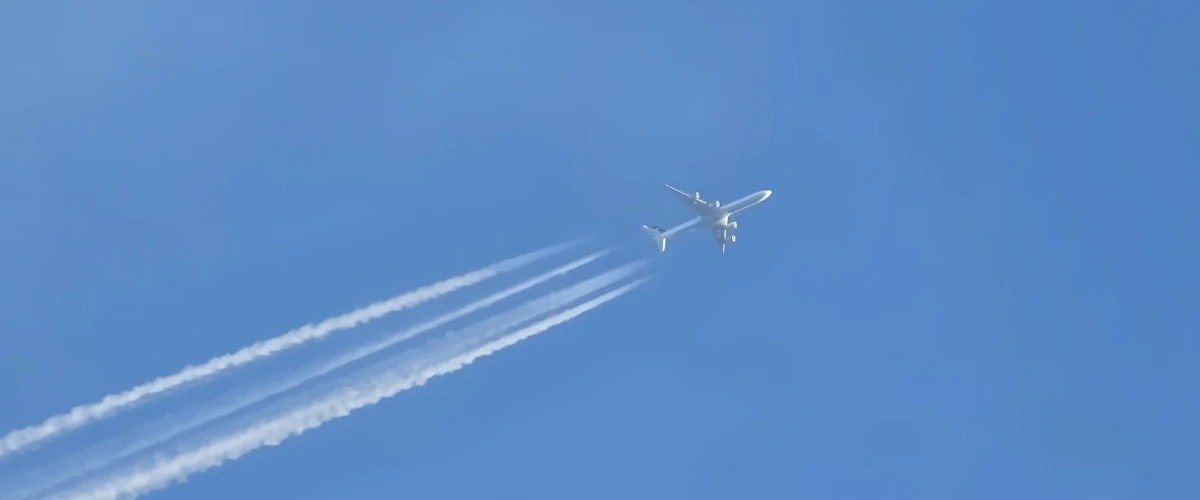
Pilot explains why planes can't fly higher than 40,000ft despite Concorde reaching as high as 60,000ft | aviationbizz.com
Aviation experts have shed light on why most commercial aircraft operate below 40,000 feet, even though supersonic jets like the Concorde were capable of flying at altitudes of around 60,000 feet.
While it may seem beneficial to fly higher, several technical and operational factors limit the cruising altitude of modern aircraft. One of the primary reasons is engine performance. At extremely high altitudes, the air becomes significantly thinner, reducing the amount of oxygen available for combustion in jet engines. This makes it difficult for standard turbofan engines to produce the required thrust, affecting aircraft performance and stability. As a result, most commercial jets are optimized to operate efficiently within the 30,000 to 40,000 feet range.
Aerodynamics also play a crucial role. Aircraft rely on air density to generate lift, and as altitude increases, lift decreases. To compensate, aircraft would need to fly at much higher speeds or use specialized wing designs. The Concorde, for example, was specifically built for supersonic travel, allowing it to maintain lift and efficiency even in thinner air.
Another important factor is the concept of the “coffin corner,” where the margin between stall speed and maximum operating speed becomes very narrow at high altitudes. This leaves little room for error, making it risky for conventional aircraft to operate safely beyond certain altitude limits. Pilots must carefully balance speed and altitude to ensure safe flight operations.
Pressurization and passenger safety are also major considerations. Flying at higher altitudes requires stronger fuselage structures and advanced cabin pressurization systems to maintain a safe and comfortable environment for passengers and crew. This increases manufacturing and maintenance costs, making it less practical for standard commercial operations.
Additionally, air traffic management and operational efficiency influence cruising altitudes. Most commercial air routes and flight levels are designed within a structured airspace system, ensuring safe separation between aircraft. Operating within established altitude bands allows for smoother coordination and efficient traffic flow.
In contrast, the Concorde was a highly specialized aircraft designed with powerful engines, heat-resistant materials, and a slender aerodynamic shape. Its ability to cruise at around 60,000 feet reduced air resistance and enabled supersonic speeds, but it also came with higher operating costs and limited commercial viability.
Overall, while flying higher may seem advantageous, modern commercial aviation prioritizes efficiency, safety, and cost-effectiveness. The 30,000 to 40,000 feet range remains the optimal cruising zone for most aircraft, balancing performance with operational practicality.
About the Author