

Merlin and IAI Collaborate on AI-Assisted Autonomous Flight for Cargo Aircraft
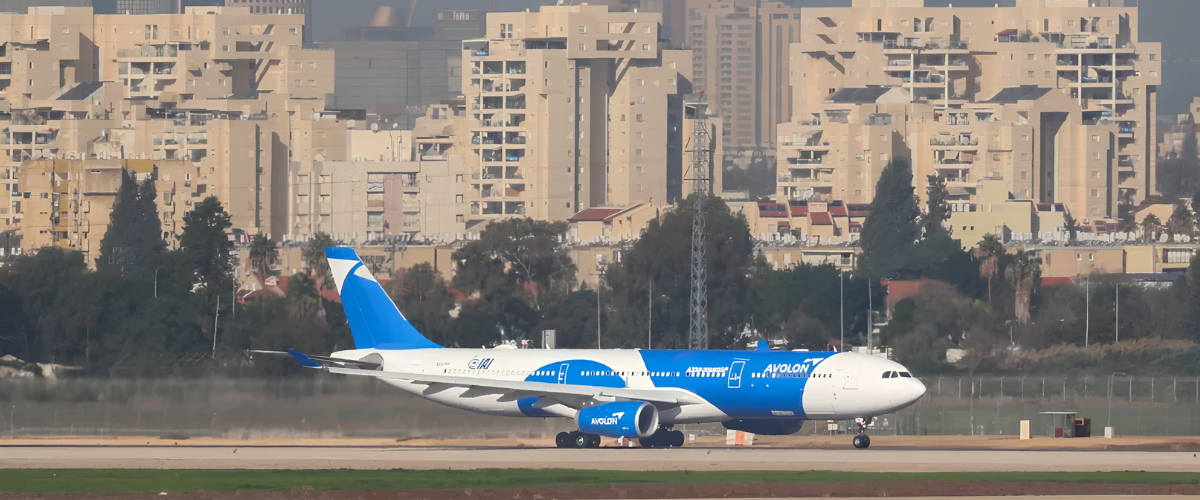
Merlin, IAI Partner to Advance AI-Powered Autonomous Cargo Aircraft
Merlin and Israel Aerospace Industries (IAI) have signed a memorandum of understanding (MoU) to jointly develop, integrate and certify AI-powered autonomous flight technology for commercial cargo aircraft. The collaboration combines Merlin’s expertise in aviation autonomy with IAI’s leadership in passenger-to-freighter (P2F) aircraft conversions.
The partnership will follow a phased approach covering engineering, aircraft integration, regulatory planning, platform selection and market evaluation. Rather than developing a new aircraft, the companies aim to establish a certification pathway for autonomous capabilities on existing large commercial cargo aircraft.
The initiative is part of Merlin’s Condor program, which is built around the company’s Merlin Pilot autonomy platform. The AI-assisted system is designed to support flight crews by managing aircraft systems, monitoring the operating environment and handling communications, enabling pilots to focus on critical operational decisions. The technology is intended to complement pilots rather than replace them as certification progresses.
IAI brings extensive expertise in aircraft engineering, avionics, certification, maintenance and passenger-to-freighter conversions. As one of the world’s leading cargo aircraft conversion specialists, the company supplies freighter aircraft to major operators such as Amazon, DHL and Atlas Air while expanding its Boeing 777 conversion network to meet increasing demand. This positions IAI as a strategic partner for Merlin’s long-term vision of integrating autonomous technology into the global cargo fleet.
Boaz Levy, Chairman of IAI, said the collaboration reflects the company’s long-standing commitment to aerospace innovation and the development of next-generation technologies that can improve aviation safety, operational efficiency and flexibility. He added that autonomous capabilities are expected to play an increasingly important role in the future of aviation.
Merlin’s initial focus on cargo aircraft aligns with the continued expansion of the global air freight market. According to Boeing’s long-term cargo forecast, the worldwide large freighter fleet is expected to grow from approximately 2,340 aircraft today to nearly 3,900 by 2043, supported by more than 2,800 new production and passenger-to-freighter conversion deliveries. Merlin believes these conversion programs provide an ideal opportunity to integrate autonomous systems during aircraft modification rather than through later retrofits.
Matt George, Founder and CEO of Merlin, said IAI’s expertise in aircraft certification, advanced avionics and freighter conversions makes it an ideal partner for advancing the Condor program. He added that the partnership, together with Merlin’s recent collaboration with cargo aircraft lessor World Star Aviation, demonstrates growing industry confidence in AI-assisted autonomy to improve safety, operational efficiency and fleet utilization.
The Condor program also builds on Merlin’s military aviation experience. Its Merlin Pilot autonomy platform is currently undergoing military airworthiness evaluations on the Lockheed Martin C-130J under a contract with U.S. Special Operations Command (USSOCOM). The company believes the experience gained through military certification will support its efforts to achieve regulatory approval for commercial transport aircraft.
IAI Aviation Group Executive Vice President and General Manager Yaacov Berkovitz noted that the successful adoption of autonomous technologies in commercial aviation will require not only advances in software but also seamless integration into certified aircraft while meeting the industry’s stringent safety and regulatory standards.
By focusing on existing cargo aircraft instead of developing new autonomous platforms, Merlin and IAI aim to accelerate the introduction of certifiable AI-assisted flight technologies into commercial cargo aviation while maintaining the highest standards of safety and regulatory compliance.
About the Author