


he Adani Group has approached the Government of India to relax a key clause in airport privatization agreements that currently prevents operators of Delhi and Mumbai airports from owning more than a 10% stake in a scheduled airline. If approved, the amendment would pave the way for the conglomerate to establish its own airline, marking a significant expansion of its aviation portfolio.
According to government officials and industry executives, the Ministry is consulting Solicitor General Tushar Mehta on the legal feasibility of retrospectively amending the clause introduced during the privatization of Delhi and Mumbai airports in 2006. Any revision would require approval from the Union Cabinet.
The Adani Group already has a substantial presence across the aviation ecosystem, including airport operations, pilot training, aircraft maintenance and repair (MRO), and ground handling services. It operates eight airports across India and holds a 74% stake in Mumbai International Airport, while GMR Airports owns a 74% stake in Delhi International Airport.
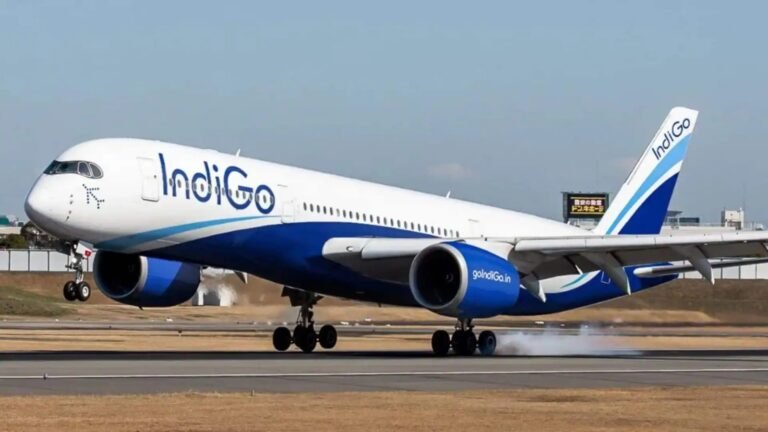
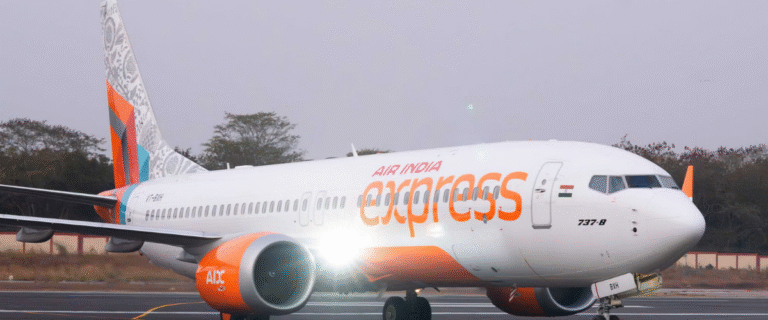
Government officials believe the entry of a financially strong player could enhance competition in India’s domestic aviation market, which is currently dominated by IndiGo and Air India, together accounting for nearly 90% of passenger traffic.
Although Jeet Adani, Director of Adani Airports and son of Gautam Adani, had stated in December that launching an airline did not align with the group’s capital allocation strategy, industry sources indicate the company’s plans have evolved alongside its proposed partnership with Brazilian aircraft manufacturer Embraer to establish an aircraft manufacturing facility in India.
Sources familiar with the matter said the Adani Group has struggled to attract sufficient orders for Embraer aircraft from existing airlines, prompting consideration of launching its own carrier to support the viability of the manufacturing project. While no final decision has been made, company executives acknowledge that significant operational synergies exist between the group’s airport business and a potential airline venture.
However, the proposal is expected to face strong resistance from existing airlines and attract close scrutiny from competition regulators. Industry executives have expressed concerns that airport ownership combined with airline operations could create an uneven competitive environment, particularly in the allocation of valuable airport slots for take-offs and landings.
Airline representatives have also argued that any relaxation of the ownership restrictions should equally permit airlines such as IndiGo and Air India to acquire stakes in airports, potentially reshaping the country’s aviation landscape.
Government officials, however, have indicated that any amendment would include safeguards to maintain operational independence between airport and airline businesses. Proposed measures include strict separation of management, restrictions on sharing commercially sensitive information, and continued adherence to India’s slot allocation regulations to ensure fair competition.
While discussions remain at a preliminary stage and no formal decision has been announced, the proposal signals the Adani Group’s growing ambitions in aviation and could have far-reaching implications for India’s airline industry if approved.
About the Author