


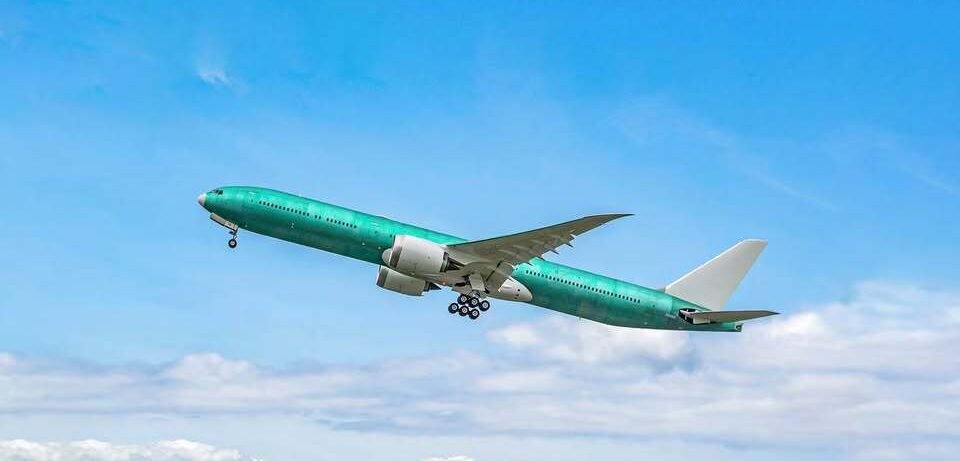
Boeing Tests First Production 777-9 with 11-Hour Polar Flight | aviationbizz.com
Boeing continues to make steady progress in its 777X program, successfully completing an 11-hour test flight of its first production 777-9 aircraft on a route extending toward the North Pole.
This long-duration mission highlights the company’s efforts to validate the aircraft’s readiness for real-world airline operations.
The polar flight was specifically designed to examine how the aircraft performs in extreme environments, including very low temperatures, high-altitude conditions, and remote navigation scenarios. Engineers closely monitored key systems such as fuel efficiency, engine performance, avionics reliability, and communication systems throughout the journey.
Testing in polar regions is particularly important, as many ultra-long-haul commercial routes pass through these areas. By simulating such conditions, Boeing aims to ensure that the 777-9 can operate safely and efficiently on global routes connecting distant continents.
The 777-9 stands out as the largest and most advanced twin-engine jet in Boeing’s portfolio. It incorporates next-generation GE9X engines, lightweight composite wings, and innovative folding wingtips, allowing for improved aerodynamics, better fuel savings, and compatibility with existing airport infrastructure.
This successful test flight marks another key step toward certification, bringing Boeing closer to delivering the 777-9 to airlines worldwide. The aircraft is expected to play a major role in shaping the future of long-haul travel by offering enhanced passenger capacity, lower emissions, and improved operating economics.
About the Author