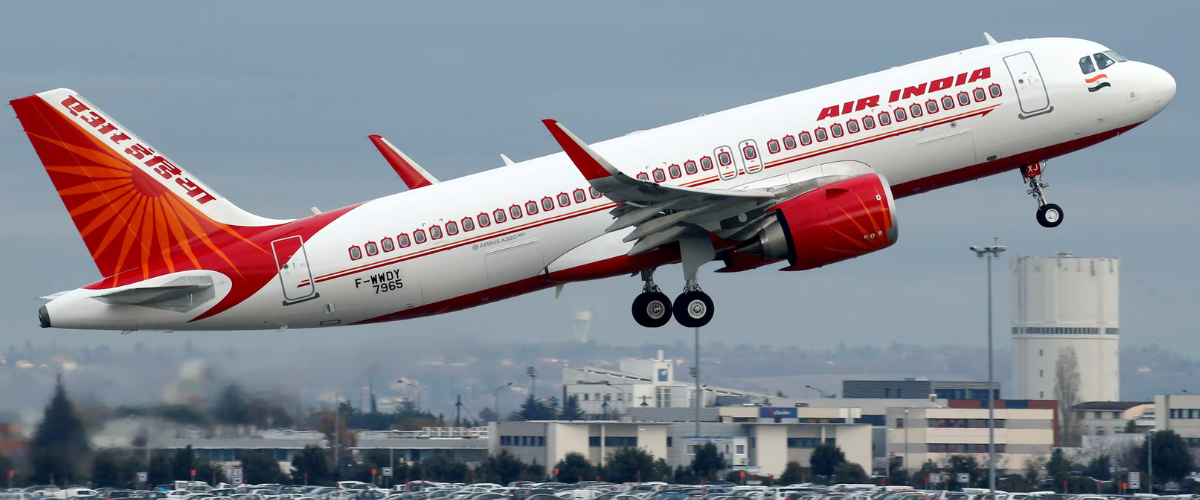
Air India Group says its transformation programme remains on track, with plans to receive 50–60 new aircraft over the next 18 months, despite facing challenges including supply chain disruptions, delayed aircraft deliveries, airspace restrictions, fluctuating fuel prices, geopolitical tensions, and the impact of the June Dreamliner crash.
Speaking about the airline’s progress, Nipun Aggarwal, Chief Commercial Officer of Air India Group and Chairman of Air India Express, said the carrier continues to advance its fleet modernisation and operational overhaul. He noted that delivery delays and cabin retrofit schedules had raised concerns about the transformation timeline, but the group remains confident of meeting its long-term objectives.
Air India has placed orders for 600 aircraft, with fewer than 10% delivered so far. Over the next seven to eight years, the airline expects to induct 50–60 aircraft annually, including 10–15 wide-body and 45–50 narrow-body jets, significantly expanding and modernising its fleet.
Aggarwal added that Air India Express is on track to standardise its entire fleet configuration by March 2026, while the refurbishment of Air India’s wide-body fleet is expected to be completed within the next two to three years. He said the airline has begun restoring services that were temporarily reduced due to aircraft shortages and the West Asia crisis, adding that the most difficult phase of ageing cabins and maintenance-related disruptions is now behind the group.
He also highlighted changing passenger expectations, saying Indian travellers now seek more than punctuality and safety—they expect a premium travel experience. To meet these expectations, Air India Express is positioning itself as a value carrier, while the group continues investing in digital systems, operational technology, and staff training to deliver a safer, more reliable, and enhanced customer experience.
About the Author