
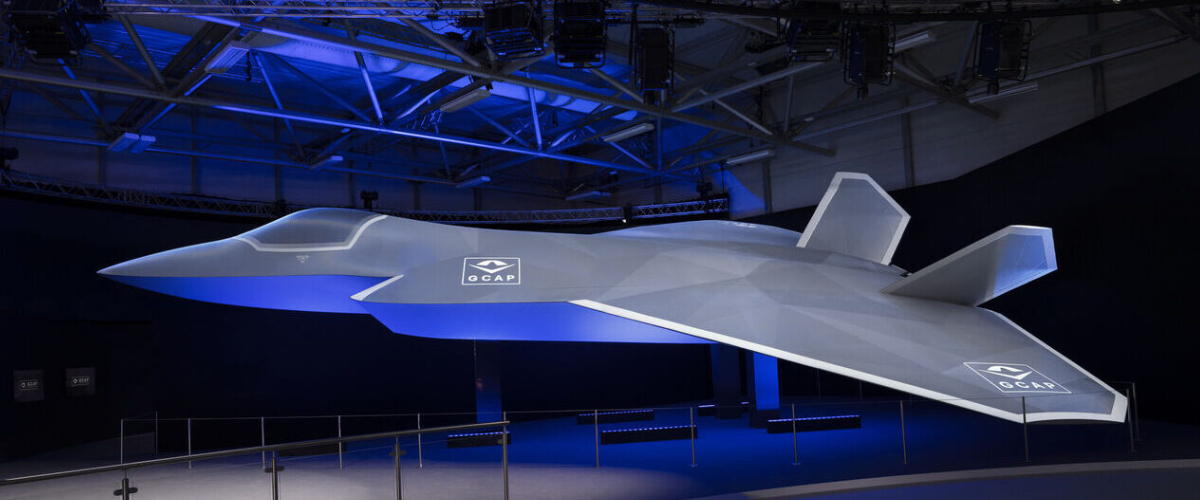
Canada is expected to join the Global Combat Air Programme (GCAP) as an observer, marking a significant step toward closer defense cooperation with Europe while evaluating its future fighter aircraft requirements.
According to multiple reports, the announcement is expected on July 21 in London during the Farnborough International Airshow. The British-Italian-Japanese program is developing a sixth-generation combat aircraft aimed at replacing current frontline fighters in the coming decades.
As an observer, Canada would not participate directly in GCAP contracts but would gain access to program information and could contribute expertise in advanced flight simulation and pilot training technologies. While the UK government did not confirm the reports, it reiterated that GCAP partners remain open to welcoming additional countries, provided the program stays on schedule and continues delivering future military capabilities.
Canada first signaled its interest in GCAP last month when Defence Minister David McGuinty described the initiative as “promising” during talks with Japanese officials in Tokyo, saying Ottawa was keen to learn more about the project.
The move comes as Canada reassesses its long-term fighter fleet strategy. Although the country has already ordered 16 Lockheed Martin F-35 fighters, it is reviewing plans for an additional 72 aircraft and has not ruled out operating a mixed fleet that could include Saab’s Gripen fighter. It remains unclear whether a future GCAP aircraft would become part of Canada’s force structure.
Defense analysts caution that maintaining multiple fighter types could present logistical and sustainment challenges. Mark Cancian, senior adviser at the Center for Strategic and International Studies, noted that supporting separate supply chains for different aircraft would increase complexity for Canada’s relatively small fighter fleet.
Canada’s aerospace industry could also play a role in the program through advanced training technologies. Montreal-based CAE is a global leader in military flight simulation and already supplies training systems for several allied air forces. Its simulators support pilot training at the International Flight Training School in Sardinia, Italy, and the company is also a major provider of synthetic training equipment for the UK Ministry of Defence.
Canada’s expected observer status also contrasts with Saudi Arabia’s efforts to join the program. Riyadh has reportedly faced resistance from Japan regarding a larger participation role, while analysts believe Canada’s established defense relationships with NATO allies and its mature aerospace industry make its involvement more straightforward.
Federico Borsari, a non-resident fellow at the Center for European Policy Analysis, said Canada is seeking an observer role rather than full industrial participation, making its entry less politically and strategically complicated. He added that Canada’s NATO membership, established classified information-sharing arrangements and strong aerospace capabilities strengthen its case.
Since taking office, Prime Minister Mark Carney has sought to diversify Canada’s defense partnerships beyond the United States, positioning the country as a key defense-industrial partner for Europe. Analysts view the potential GCAP participation as part of Ottawa’s broader strategy to strengthen its defense industrial base, expand cooperation with European allies and reduce long-term dependence on US military procurement, as the United States advances development of its own sixth-generation fighter, the F-47.
About the Author